


News Center
NAVIGATION
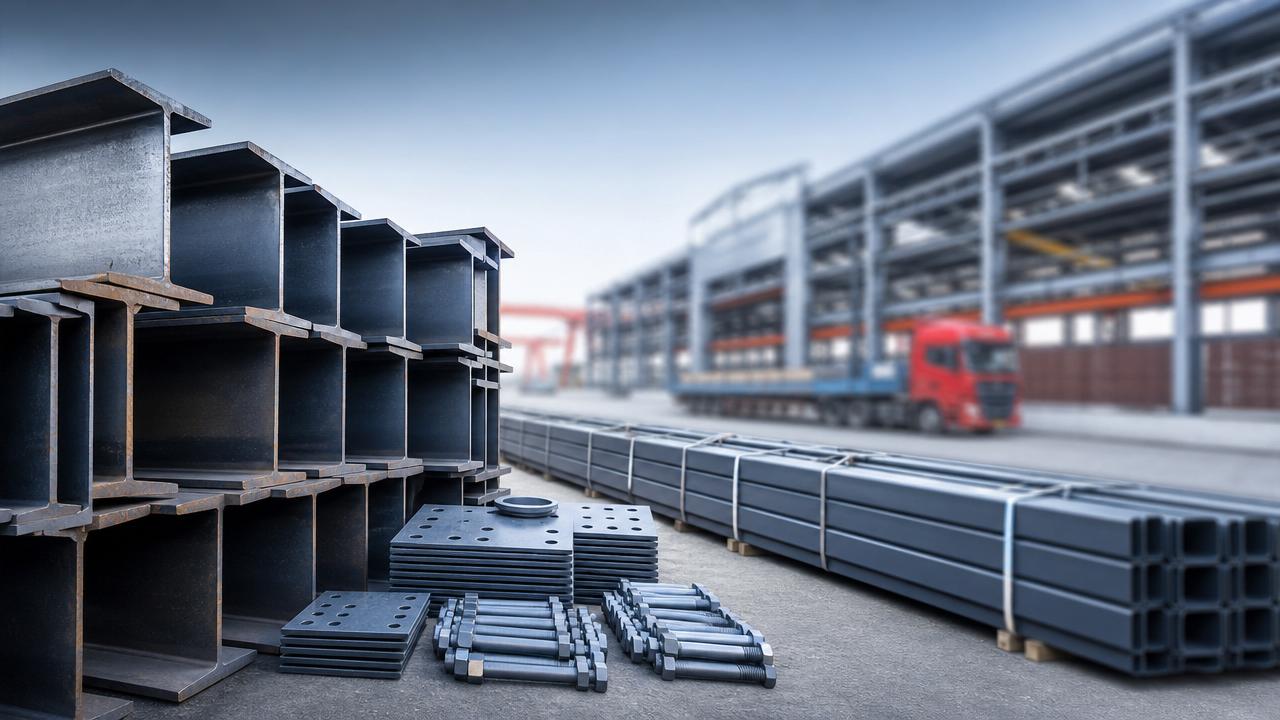
Structural H Beam vs I Beam: Cost Factors to Watch
When comparing structural H beam vs I beam, cost is rarely about unit price alone.
The smarter choice depends on load requirements, material weight, fabrication needs, transportation costs, and long-term project efficiency.
Selecting the wrong beam profile can increase waste, delay installation, or raise total project expenses.
This guide highlights cost factors to watch before ordering, helping align steel purchasing decisions with budget, performance, and delivery goals.
Why the Structural H Beam vs I Beam Decision Is Changing
Steel structures are becoming more cost-sensitive as projects demand faster installation and tighter material control.
In this environment, structural H beam vs I beam decisions affect much more than the steel invoice.
The profile shape influences connection design, column spacing, crane use, welding time, coating volume, and site productivity.
Many projects now evaluate total installed cost instead of comparing only price per ton.
That shift makes the structural H beam vs I beam comparison more strategic in warehouses, bridges, industrial platforms, and commercial buildings.
Current Trend Signals in Steel Beam Selection
Several market signals show why beam selection requires closer cost analysis.
- Higher labor costs make fabrication efficiency more valuable.
- Volatile steel prices increase the importance of optimized weight.
- Modular construction favors profiles that simplify assembly.
- Longer spans require better stiffness and predictable performance.
- Sustainability targets encourage reduced scrap and efficient design.
These signals make structural H beam vs I beam evaluation a practical response to changing construction economics.
Key Shape Differences That Influence Cost
H beams usually have wider flanges and more uniform thickness across the section.
I beams often have narrower flanges and are commonly used where bending strength is the primary requirement.
This geometric difference changes how each profile performs under load.
In structural H beam vs I beam analysis, the lower unit price may not deliver the lower final cost.
Material Weight Is the First Visible Cost Driver
Steel beams are often priced by weight, so heavier sections appear more expensive immediately.
However, material weight should be compared against required strength, stiffness, and spacing efficiency.
A heavier H beam may reduce the number of support members in some layouts.
A lighter I beam may save steel but require closer spacing or extra reinforcement.
For structural H beam vs I beam decisions, calculate total tonnage for the whole structure, not one beam.
Load Requirements Can Reverse the Cost Comparison
A beam that looks cheaper can become expensive if it cannot meet service conditions efficiently.
H beams are often preferred in heavy columns, high-load frames, and wide-flange structural systems.
I beams can be economical for floor beams, roof beams, and members dominated by vertical bending.
The structural H beam vs I beam choice should be checked against deflection limits and buckling resistance.
Ignoring serviceability can create vibration issues, uneven settlement, or costly strengthening work later.
Fabrication Cost Is Becoming More Important
Fabrication cost includes cutting, drilling, welding, beveling, straightening, blasting, and coating preparation.
H beams may offer easier connection surfaces because of wider flanges and stronger bearing areas.
I beams may be simpler for lighter assemblies, especially where connections are repetitive and standardized.
In structural H beam vs I beam budgeting, connection complexity should be priced before final selection.
- Check hole patterns and connection plate quantity.
- Review welding length and access conditions.
- Estimate coating area and surface preparation time.
- Confirm tolerance requirements for site assembly.
Transportation and Handling Add Hidden Costs
Beam dimensions affect truck loading, container use, lifting plans, and storage space.
H beams with wider flanges may reduce stacking density in some shipments.
I beams may be easier to bundle, depending on length, flange size, and order mix.
For structural H beam vs I beam comparison, logistics should be reviewed with actual sizes and delivery routes.
Oversized lengths can trigger special permits, escorts, higher freight rates, or delayed delivery windows.
Installation Efficiency Shapes the Final Budget
Site installation often determines whether a design stays within budget.
A stable H beam may reduce temporary bracing needs in heavy frame construction.
A lighter I beam can reduce crane load and improve manual positioning in smaller structures.
The structural H beam vs I beam decision should include lifting sequence and erection speed.
Faster installation can offset higher material cost when labor, crane rental, and schedule penalties are significant.
Market Availability and Standard Sizes Matter
Standard sections are usually more economical than uncommon sizes requiring special rolling or longer sourcing time.
Availability varies by region, mill schedule, steel grade, and required standard.
Common standards include ASTM, EN, JIS, GB, and other project-specific specifications.
In structural H beam vs I beam planning, confirm stock status before locking the structural design.
A technically ideal beam can become costly if lead time delays fabrication or construction milestones.
What Drives the Cost Gap Between Beam Profiles
The cost gap comes from several connected factors, not from profile shape alone.
Impact on Design, Fabrication, and Construction Stages
At the design stage, beam choice affects span planning, column grids, and foundation loads.
During fabrication, profile selection changes drilling access, welding setup, and inspection requirements.
On site, it influences crane capacity, temporary supports, alignment speed, and bolt-up efficiency.
Therefore, structural H beam vs I beam decisions should be reviewed across the complete construction chain.
- Design impact: structural capacity and member spacing.
- Fabrication impact: labor time and connection cost.
- Logistics impact: loading, storage, and delivery planning.
- Installation impact: lifting method and assembly speed.
Cost Points to Check Before Confirming an Order
A reliable comparison should combine engineering requirements with commercial conditions.
Before confirming structural H beam vs I beam selection, check these points carefully.
- Confirm load cases, span length, and deflection limits.
- Compare total steel weight, not only section weight.
- Review connection design and fabrication hours.
- Check available grades, standards, and mill lead times.
- Estimate transport, unloading, and storage costs.
- Include coating, inspection, and site assembly requirements.
When H Beams May Offer Better Value
H beams may provide better value where strength, stability, and connection area are critical.
They are commonly used in columns, heavy industrial buildings, platforms, and large structural frames.
Wider flanges can simplify bolted connections and improve load distribution in demanding structures.
In structural H beam vs I beam analysis, H beams may reduce secondary bracing or support members.
That benefit can improve total project cost, even when the initial material cost is higher.
When I Beams May Be More Economical
I beams may be more economical where bending resistance is needed without excessive lateral load demand.
They are widely used in floors, roofs, bridges, light frames, and support structures.
A lighter section can reduce material cost, transportation load, and lifting requirements.
For structural H beam vs I beam decisions, I beams work best when design conditions match their geometry.
If extra bracing is required, the apparent saving should be recalculated.
Practical Evaluation Method for Future Orders
A structured evaluation reduces the risk of selecting a beam based on incomplete pricing.
This method keeps structural H beam vs I beam comparison focused on measurable project outcomes.
Final Takeaway and Next Action
The structural H beam vs I beam cost question has no universal answer.
H beams can support heavier frames and simplify some connections, but may increase weight and freight needs.
I beams can lower material weight, but may need additional support under demanding conditions.
The best decision compares total installed cost, technical performance, delivery timing, and long-term reliability.
Before placing an order, prepare drawings, load data, required standards, lengths, grades, and delivery requirements.
Then request quotations that separate material, fabrication, coating, logistics, and lead time clearly.
That approach makes structural H beam vs I beam selection more accurate, practical, and aligned with real project cost.
Versatile Applications
Customization based on your design,Professional selection and quotation for you